
Greetings, friends.
Over the weekend I went to a drive-in, admittedly for the first time in my adult life, to see the new Spider-Man.
I went in without many expectations. But it blew me away. Felt like stepping into 1958. And it got me thinking about nostalgia and this shift toward analog. At least here in Colorado, I see it everywhere. Old bikes and wired headphones, things that are less optimized but work just fine. The better tech gets, the more people seem to want a little friction back.
Curious if any of you are leaning into this too, in your life or in your work. Feel free to reply and let me know.
This week: avoid shrinkflation, what to do when building in public stops working, and in the spirit of nostalgia, an insight from a few years back that has stood the test of time.
—Nick
ICYMI: We’re hiring a Growth Strategist. A paid marketing expert with a long track record of building paid engines for growth-stage startups. If that’s you, check out the opportunity here.

Brought to you by Veltrix.
Growth looks fine until you check margins, cash, and payback together. Veltrix's free Business Health Check reads straight from your tools (QuickBooks, HubSpot, Shopify, and more) and tells you if that growth is worth the CAC, where cash is leaking, and whether to scale, cut, or fix the gap between leads and revenue.
Demand Curve readers get 2 months free: unlimited Business Health Checks + full Veltrix access with code DCHEALTH26.
See what Veltrix finds →
Avoid shrinkflation, what to do when building in public stops working, and how to make your product a ritual.
1. Raise the price, don't shrink the product
Insight from Demand Curve, inspired by a BBC News article.
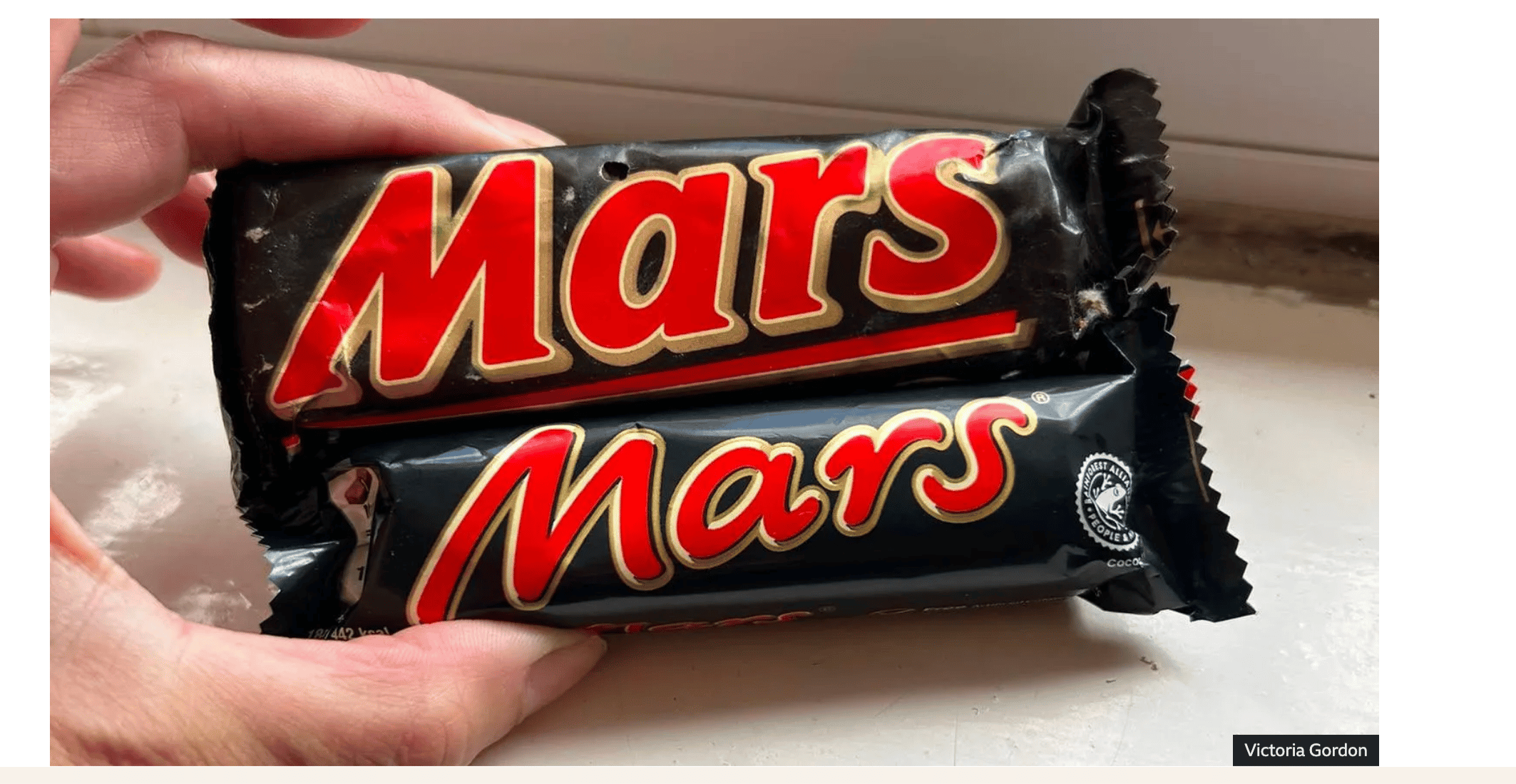
A cleaner in England found an unopened Mars chocolate bar from 1991. It weighed 62.5g. Today's Mars bar weighs 40g in the UK.
Classic case of shrinkflation.
When costs go up, you can charge more or give less. Giving less feels safer, because price is the number customers watch. They remember what something costs, they're not tracking grams.
The research is split on this. Some studies show that companies squeeze out better margins. Others show that people prefer paying a little more for a product than paying the same price for less.
If you shrink, margins look better for a bit. Then someone notices, and now you're the brand that tried to pull one over on your customers. To a lot of people, shrinkflation is just lazy marketing, and a desperate grab for a little margin.
We think the better move is to raise your prices and be upfront about it.
This is most relevant for CPG startups. But it applies across the board. The software version of a smaller Mars bar is a feature that moves up a tier without an announcement, or the free plan that drops from three devices to one. The physical version is the cheaper component in the same box. They all keep your pricing page intact and count on nobody noticing.
Somebody always notices. Mars trimmed the bar to 58g in 2008, then 51g in 2013, then 40g this past March. Eighteen years of trims, and one photo put all of them back in the news. Don't sweep it under the rug, figuratively or literally :)
If you sell software, time your price increase with something the customer actually gets: like a feature they asked for. Then the email you send is about the improvement, and the price increase feels justified.
2. Build in public, but publish the misses
Insight from Demand Curve, inspired by Emily Kramer’s interview with Matt Ratchford.
Building in public used to be a differentiator. In fact, when we were running our audience building course called Unignorable, which was a launching pad for some of the biggest creators in the B2B space today, the “build in public” format was a big part of that toolkit. There was a formula, and it was fairly easy to follow if you had good ideas and the discipline to keep going.
Now everyone and their mother is building in public, so it’s far less effective. It’s become a recipe anyone can run: the milestone screenshot, the ARR chart, the lessons-learned thread. Which is how every growth tactic goes. Someone finds a new way to grow, everyone catches on and rides it for a while, then it gets crowded out and stops working. Build in public is at that point now, which means you need a better angle.
Matt Ratchford’s angle is the misses. As growth marketing lead at Mutiny, he’s been documenting things that don’t go quite as planned, week by week:
- The launch that drove a pile of traffic and moved sign-ups far less.
- The offer he put into the market before checking whether anyone could deliver it.
- The week he let agency and contractor work slide because the launch ate everything.
Emily Kramer points out that the humility is what makes it stick: he includes the misses, it’s specific, it’s unglamorous, and it sounds like a human wrote it.
It’s rare, which is exactly why it works. People build in public to win customers and trust, so admitting mistakes feels like the risky option and posting the wins feels safe. That leaves the other lane wide open. Zig while everyone else zags.
But more than that, this approach builds affinity. People relate to imperfection, to stuff that didn’t quite go as planned. And in a sea of founders patting themselves on the back, misses aren’t just rare, they’re welcome.
Which is good news, because your misses are one of the few things nobody can copy off you. Everything else in a build-in-public post is a format anyone can run. Next post, write up the thing that didn’t work.
3. Make it a ritual to increase satisfaction and sales
Insight from Science Says. This is an old but gold insight from the Frontier, our content library.
If people use your product more than once, you can design a ritual around using it, and they’ll enjoy it more and pay more for it.
The same few steps, every time. Not random gestures. It has to fit how people already use the thing, and it has to make the thing better.
Familiar ones:
- Oreo: twist, lick, dunk in milk.
- Corona: press a fresh lime wedge into the bottle.
- Champagne: pop the cork, cheer, pour into flutes.
Why rituals work:
- A ritual tells people the “right way” to use it.
- It’s a small version of the IKEA effect. If you did part of the work, you value the result more.
- It gets them in the right mindset before they start.
It also turns a mundane moment into an occasion. Popping a cork is how you mark a win. That’s why it feels different from unscrewing a cap.
Elements of a great ritual:
- Easy to do. If it’s hard, people won’t do it.
- Tied to an emotion. Celebration for champagne. Relaxing for Corona and lime.
- Has a trigger. KitKat built theirs around coffee, because drinking coffee is already something people do every day.
- Adds to the experience. Corona on its own is kinda meh. Add the lime and suddenly you’re on vacation.
Once you have an idea and an emotion to tie it to, test it on a small scale. Then show the ritual next to the feeling you want attached to it. Lime in the Corona, someone on a beach in Mexico.
Done right, the ritual becomes the reason people reach for you instead of the identical thing sitting next to it.

News you can use
- Reddit's share of ChatGPT citations fell 86% in four days. Promptwatch tracked it going from 3.83% of ChatGPT Search citations through early August to 0.52% between Aug. 14 and 17, though they can't say why and can't rule out a problem with their own data collection. Either way, if seeding Reddit is most of your AI search strategy, that's a lot riding on a source you don't own. (Search Engine Land)
- LinkedIn says AI slop is losing reach. More than a million people used the new "seems like AI slop" button in its first two weeks, and LinkedIn says posts it classifies that way are getting 40% fewer views than a few weeks ago. Their definition: polished presentation, nothing behind it. (Social Media Today)
- Microsoft Ads drops Max CPC on Oct. 1. New campaigns on standalone Maximize Conversions, Maximize Conversion Value, and Maximize Clicks lose it, while existing campaigns and portfolio strategies keep it. Microsoft is telling advertisers to test without it now, which beats finding out in Q4. (Search Engine Land)