
Hello. Hi. Hey. Howdy. Greetings. Salutations. Wassup. Happy February to everyone.
Yesterday I went to a lunch and learn about Category Design—the process of creating a new category for your startup/product so that you can dominate it. Will share my learnings soon!
This week we cover viral weirdness, instant gratification, and pattern interrupts.
Learn what's working for top companies
HubSpot and Aircall surveyed 1,000+ global sales professionals to learn:
- What sales channels and strategies are working
- How sales teams can hit their targets in 2023
- Where to find qualified leads, and more
They turned their findings into an in-depth report that includes:
- The top six sales goals that sales leaders are setting for 2023
- The top challenges that sales teams face, plus tips from the HubSpot and Aircall sales teams on how to solve them
- Insights from the Aircall team on how to make the most of phone calls (the second most effective sales channel)
- Sales metrics to track in 2023, and much more
Create a pattern interruption
Insight from Clout Monster and Why We Buy.
Which one stands out the most?
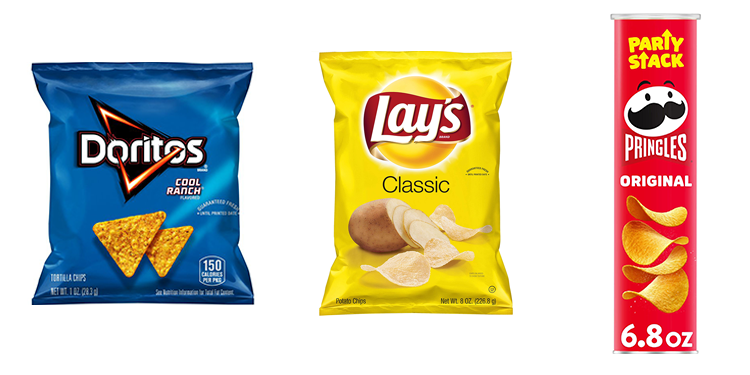
We’ll bet it was the Pringles. Unlike the other two brands (and dozens of other chip brands that come in crinkly rectangular bags), Pringles come in a tube.
This is a pattern interrupt—something that breaks the norm.
Pattern interrupts grab attention.
They draw your eye even if they're inherently LESS noticeable than the competition:
🌈🌈🌈🌈🌈🌈🌈🦾🌈🌈🌈🌈🌈🌈
And in a crowded market, they make your business stand out.
To get in front of more leads, try incorporating pattern interrupts. Some ideas:
1) Like the Pringles example, give your product distinctive packaging.
2) If most companies in your industry have a certain aesthetic, make yours the complete opposite.
Think of how Liquid Death embraced hardcore branding in the minimalist world of bottled water.
3) Use unusual imagery in your ads.
Ever seen Squatty Potty’s pooping unicorn commercial? Or Poo-Pourri’s “Girls Don’t Poop” ad? These videos got a lot of attention because of their weird visuals. (The bathroom humor just happens to be a coincidence—but we’re not not saying it’s worth a shot.)
4) Along the same lines, use contrasting colors in your ads.
The agency Biddyco used neon colors in its Facebook ads for the cereal brand Magic Spoon. Compared to everyday photos from friends and family in your feed, these bright shades were a total scroll-stopper.
5) Plan a different kind of event.
Instead of organizing a generic marketing conference, the SaaS brand SparkToro hosted an event where each speaker told a story they'd never shared before. Sessions were short—30 minutes max—and nothing was recorded. This made speakers more comfortable with being vulnerable and incentivized people to tune in live.
Use weirdness to get people talking
Insight from Duolingo.
Duolingo has one of the best viral growth loops.
And it has nothing to do with the gamification they're known for.
What is it?
👇🏿👇🏿👇🏿👇🏿👇🏿👇🏿👇🏿👇🏿👇🏿👇🏿👇🏿
👉🏿👇🏾👇🏾👇🏾👇🏾👇🏾👇🏾👇🏾👇🏾👇🏾👈🏿
👉🏿👉🏾👇🏽👇🏽👇🏽👇🏽👇🏽👇🏽👇🏽👈🏾👈🏿
👉🏿👉🏾👉🏽👇🏼👇🏼👇🏼👇🏼👇🏼👈🏽👈🏾👈🏿
👉🏿👉🏾 👉🏽 weirdness👈🏽👈🏾👈🏿
👉🏿👉🏾👉🏽👆🏼👆🏼👆🏼👆🏼👆🏼👈🏽👈🏾👈🏿
👉🏿👉🏾👆🏽👆🏽👆🏽👆🏽👆🏽👆🏽👆🏽👈🏾👈🏿
👉🏿👆🏾👆🏾👆🏾👆🏾👆🏾👆🏾👆🏾👆🏾👆🏾👈🏿
👉🏿👆🏿👆🏿👆🏿👆🏿👆🏿👆🏿👆🏿👆🏿👆🏿👈🏿
They purposely make people translate really bizarre sentences.
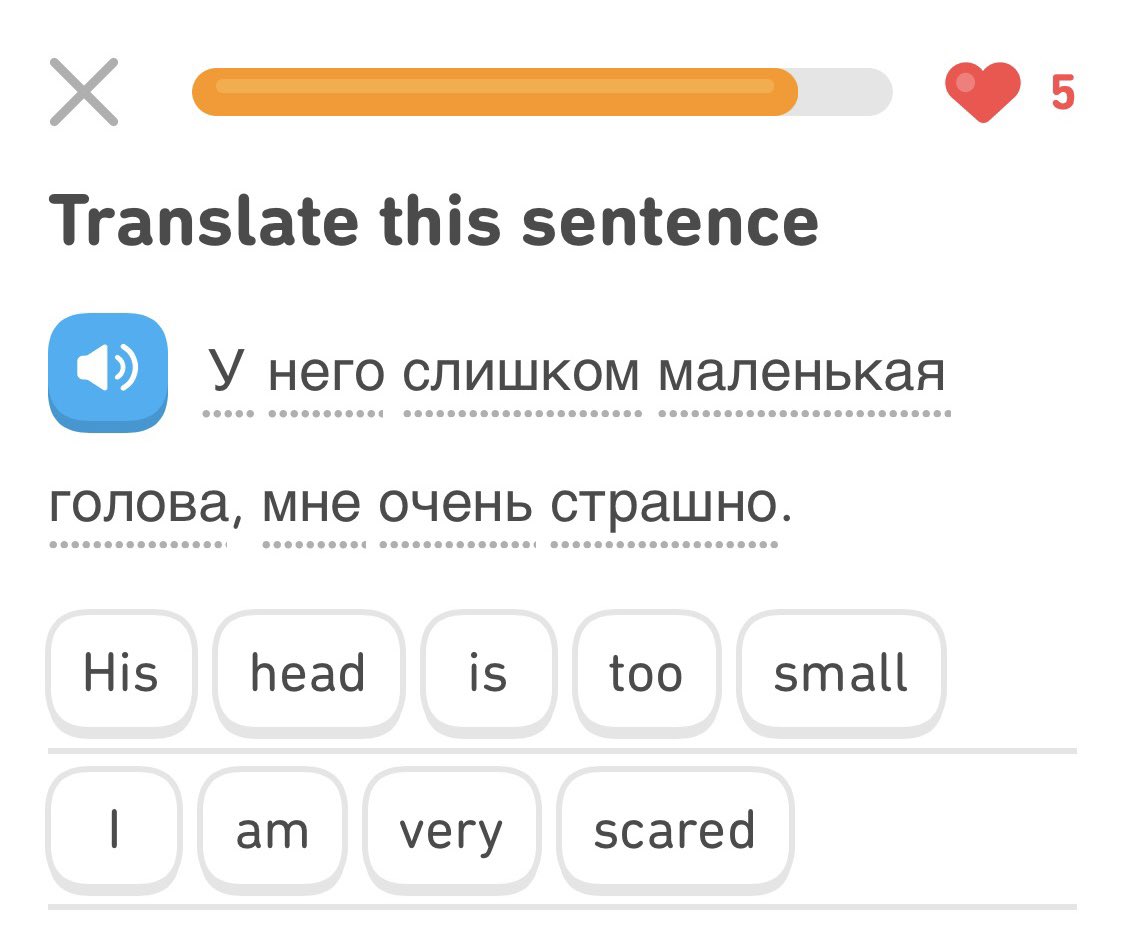
I have an entire album of them on my phone. I send them to people all the time.
And I'm not the only one. People share them on Twitter constantly.
There's even a Twitter account with 100,000 followers called "Shit Duolingo Says."
Weird sentences delight users. They keep you asking, "What's gonna come next?" Which is critical for an app that does one of the hardest things: teach people a new language.
And they cause people to talk organically about the app with others.
Be weird to stand out, delight people, and get them talking.
Give instant gratification with your copy
Insight from Nothing Held Back.
Good copywriters know the power of future pacing. That's a technique that encourages readers to visualize the positive results your product will help them achieve.
Example: A coding bootcamp can say, "Learn to become a programmer so you can earn a 6-figure tech salary and work from home."
That paints a picture of a big win after completing the bootcamp. It's easy to visualize.
Just one problem with future pacing: It doesn’t work well on skeptical buyers. Their objections cancel out the rosy picture.
To win over skeptics, give instant gratification in your copy. Highlight the good things that are just around the corner.
Disney does this by making its vacation-booking process just as appealing as the trip that’s months away.
A few examples:
- "Disney Cruise Line gives families dreams to wake up excited about." → Become your family's hero.
- Page headings like "Discover Value in Vacation Packages," "Trip Planning Made Easy," and "Book with Confidence" → Enjoy the trip-planning experience.
- "With over 50 different hotels to choose from, you're sure to find one that fits your family’s travel style, size, and budget!" → Easily find a place that fits your needs.
As a result, skeptical prospects perceive an immediate reward from booking.
To deliver instant gratification in your copy, frame the purchase itself—and not just the product—as a win. For instance:
- “Order X now, and you’ll feel relief knowing you made the right decision.”
- “By saying yes to X, you’ll be one step closer to achieving your big goal.”
- “Buy X now, and you’ll wake up tomorrow knowing you finally did something about it!”
Your prospects may still have reservations about your product. But they’ll be more likely to act when you sell them immediate confidence and relief.
News and links
News you can use:
AI truly is the cool new kid on the block:
- Microsoft has confirmed a new GPT-powered Bing homepage. You can even get it to give you a multi-day travel itinerary for Mexico, and even hit it with followup questions, just like ChatGPT. We'll see how this changes the Search ecosystem.
- In the other corner: Google. Yesterday, they introduced Bard, an AI service that uses their LaMDA conversation technology. Here’s a preview of what a new search experience might be like: “Soon, you’ll see AI-powered features in Search that distill complex information and multiple perspectives into easy-to-digest formats, so you can quickly understand the big picture and learn more from the web.” ETA on all this? Bard is currently being tested externally, but expect a wider rollout in the “coming weeks,” with new AI features coming “soon” to Google Search.
- Quora is ready to step into the ring too. They’ve announced their own AI chat product, called Poe.
- The competition is also heating up for Twitter. The founders of Instagram have launched Artifact, a newsfeed that’s text-based, personalized, AI-powered, and currently in beta.
Tool we recommend: Amplitude*
We use Amplitude to track every action people make across our various websites, emails, and products.
It lets us analyze the impact of our marketing campaigns. For example, whether people who attended the Growth Summit stayed subscribed longer, or became a student.
We like it way more than Google Analytics. Try it out.
Sponsored by Amplitude
Something fun
From @roshanpateI