
Happy Halloween all you growth-loving founders and marketers!
I hope that you're all Trick or Treating this evening 👀
Couple things I'm excited for:
1) Candy.
2) The DC/BC team retreat is next week! And I get to meet Katelyn Bourgoin in person for the first time—also after running 3 cohorts of Un-ignorable with her!
I'm sure we'll have exciting new ideas to announce in the coming weeks :)
Now for: "Obviously Awesome," Price Relativity, and X's algorithm.
Let's dive in 🎃
– Neal
Brought to you by Mailchimp & Co
Check out the 2023 Mailchimp & Co Benchmark Report for valuable insights on pricing, hiring, and growing your business.
It's packed with the latest data and insights from 1,500+ agencies, consultants, and marketing experts.
Ignite Digital
And by Ignite Digital. There are 8.5 billion searches per day on Google.
Are you ranking how you want to be?
Ignite Digital's expertise will help elevate your brand's presence on Google Search. Gain new website visitors—and leads—with their proven strategies.
See how you stack up against competitors with their Complimentary Competitive Analysis.
Recommendations for X's (Twitter's) new algo
Insight from Tanay Jaipuria and NFT_God.
Tanay Jaipuria spent years working on Facebook’s algorithm to help make users’ feeds more relevant and engaging.
So when Twitter/X open-sourced its recommendation algorithm a few months ago, he couldn’t resist the opportunity to take a peek under the hood.
There was another algorithm update since his original article, so we've weaved in other analyses as well.
Here are some tactical recommendations to increase visibility on X:
1. Optimize tweets for maximum engagement.
- Include images and videos (including GIFs) for a 2x boost in ranking. Having 3 or 4 images can boost it even further.
- Post in the same language as your followers to avoid a 90% penalty.
- Tweet about trending topics. These are promoted in the "For You" tab.
- Avoid using multiple hashtags, which can result in a 40% penalty.
- Eliminate misspellings/unknown words to prevent a 95% penalty
- Ask questions. Replies to tweets are one of the biggest boosters.
- Don't link off platform. These get penalized.
- Avoid controversial (blacklisted) topics.
- Don't be offensive.
2. Build quality relationships with followers.
- Reply to people who comment. An author replying is worth 2x someone else replying.
- But, you can be penalized for engaging with low quality commenters—so don't engage with ones in the "show more" or with low quality / offensive profiles.
- Collaborate with users and influencers in the same niche.
- Share targeted, valuable content tailored to your audience’s interests.
- Showcase your personality and brand voice to humanize your presence and make your tweets more relatable.
3. Leverage user factors to boost twitter presence.
- Consider subscribing to Twitter Blue for a 4x boost for people who follow you and a 2x boost for people who don't follow you.
- Maintain a healthy followers-to-following ratio. You should follow no more than 60% of your number of followers.
- Improve your "TweepCred" score, similar to Google’s PageRank, by posting high-quality content, engaging with followers, and maintaining a positive reputation.
- Consider offering a premium subscription. Twitter/X makes money when people subscribe, so they're incentivized to boost you.
Combine the above factors with high-quality content and consistent posting, and you'll give your tweets a better chance of being seen and engaged by your target audience.
For deeper analyses check out Tanay's article, and NFT_GOD's tweets which are more recent (1 and 2).
Tell the story only your brand can
Insight derived from April Dunford and Bell Curve.
Money has zero intrinsic value.
Money has value because we all believe the same story that it is valuable. In a zombie apocalypse, your $20 bill becomes valuable as a heat source—and your credit card useless.
Van Gogh and Monet paintings are worth millions only because enough people believe the stories that the artist and society created around them. Countless paintings were made with similar aesthetic value, but are forgotten by history.
Your product's value is the same—it depends on the story you tell.
You need to craft compelling narratives that position you as the obvious choice—across the full customer journey.
As April Dunford says, you need to become "Obviously Awesome."
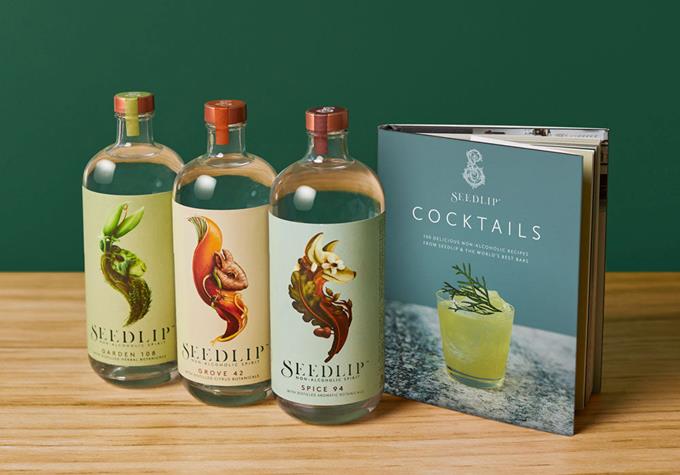
Do that, and instead of selling a $5 soft drink, you're selling a $35 "non-alcoholic spirit."
Here are April's 12 steps to becoming obviously awesome:
- Identify your most eager customers and what they love.
- Assemble diverse folks across your team to help define the story.
- Have an open mind. Try not to succumb to confirmation bias.
- Identify REAL alternatives to using your product (like sleep for Netflix).
- List your product's superior, verifiable features (2x suction, not "user-friendly").
- Determine your features' value to customers.
- Pinpoint customer segments most likely to care.
- Pick a market segment that isn't dominated and dominate it. That could be:
- An entire market (chips)
- A subset (potato-free or baked chips)
- A new market ("dehydrated superfood")
- Connect your product to a current trend (ex: Millennials reducing alcohol consumption)
- Create a document for the team to reference
- Name and description of product
- Market and market segment
- Alternatives to your product
- Product’s unique and superior features
- Tangible value it adds to customers
- The characteristics of ideal customer
- Weave the narrative into your marketing and sales collateral
- Track and adjust if necessary.
Your unique story is hard to get right, but if you do it can do wonders.
#10 is a key step.
You need a system that the whole team can use to tell that story.
We can help you craft that story, and the system to tell it—for hooks, ads, landing pages, emails, and more.
Learn more about our Story Systems
Use Price Relativity to sell and charge more
Insight from Why We Buy.
Let's build off the last one.
Which of these orange circles is larger?
_01HE1F26NS5PBTS70R596VHH43.jpeg)
Almost everyone says the one on the right—when in fact they're the same size.
Why is simple: Our perceptions are completely relative.
Here are 3 ways to do that:
#1. Change your competitive set
If you don't choose who you're compared to, people will do it for you.
Seedlip naturally would have been compared to a $2 bottle of Schweppe's Tonic Water. So instead, they used premium branding to be compared to the cost of a bottle of gin.
#2 Create a "decoy" product
Make your core product seem cheap by comparing it to a premium option.
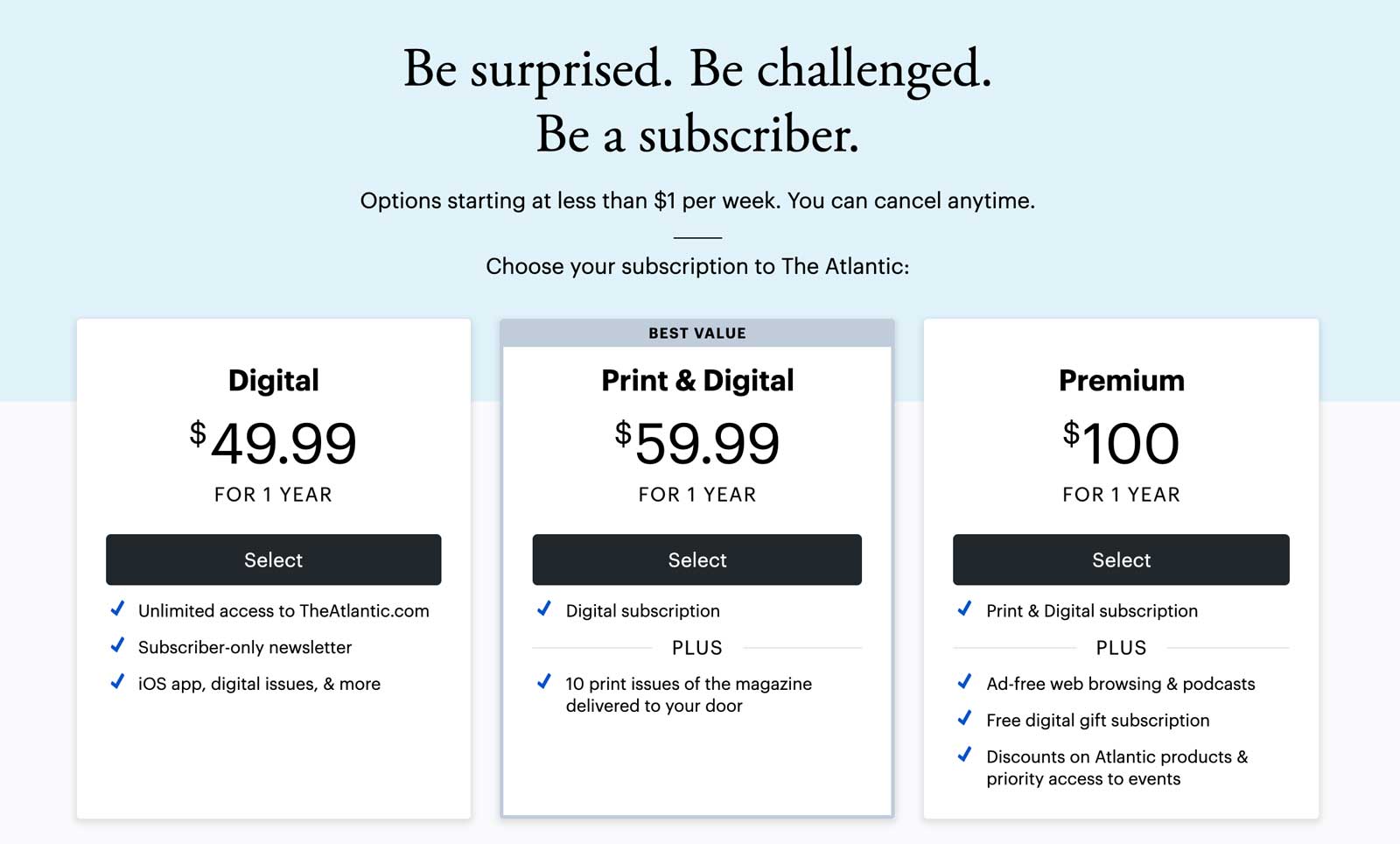
The Atlantic famously did this with its pricing. The $100 plan is to make the $59.99 (another classic pricing hack) seem more reasonable.
#3 Highlight the cost of NOT using your product (the alternatives)
Durex doesn't compare itself to Trojan. Instead, it compares it to the cost of a baby:
_01HE1EEYG4PST02R6N530A0HYK.jpeg)
News and links
News you can use:
- Google introduced new search themes to Performance Max for better ad performance.
- Amazon launched a generative AI tool for enhanced image creation in ad campaigns.
- Google launched a new photo-first search layout on Google Maps, making images much more important for user listings.
- And yet again, Google added an "about this image" feature in Google Search, providing historical context, usage on other pages, and AI metadata for images.
- Microsoft relaunched its pubCenter for US publishers as an alternative to Google AdSense.
Platform we recommend*: Range.com
Range is the all-in-one wealth management platform backed by Google’s AI Fund.
Built to support modern households, Range is reimagining wealth management by bringing together all aspects of your financial planning, including:
- Investment Strategy
- Tax Optimization
- Cash Flow Analysis
- Estate Planning
With proprietary forecasting technology and 24/7 access to our in-house team of experts, Range is the future of wealth management.
*Sponsored by Range
Something fun
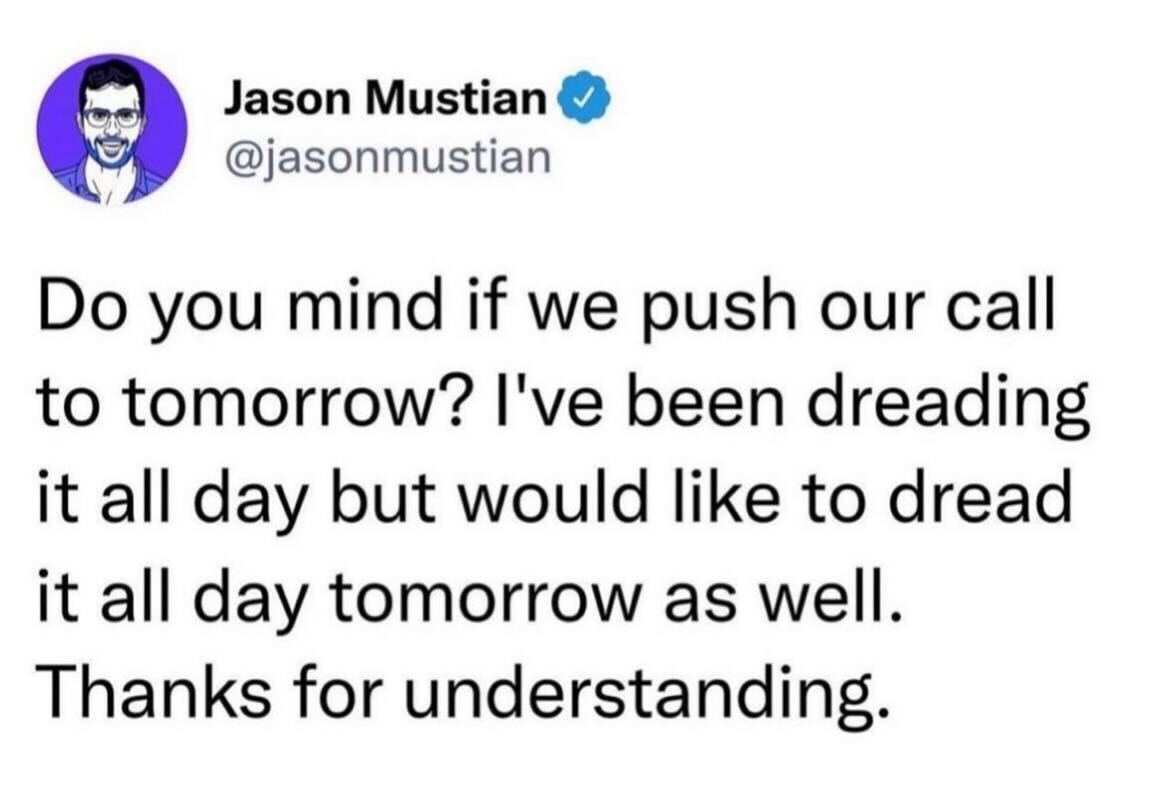
From @jasonmustian.