
Y’all know the old adage:
If you want to go fast, go alone.If you want to go far, go together.
—African Proverb
Well, here’s a new one for you:
If you wanna grow fast, sell hard.
If you wanna grow far (steadily, consistently, and healthfully), sell soft.
—Neal O’Grady
Today’s newsletter covers why you should consider creating soft-sell video ads.
Brought to you by Northstar Inbound—content marketing and SEO experts.
BigRentz's traffic increased by 186% (85k), adding 1,950 conversions in the first 12 months.
Self Financial's traffic increased by 50k/month, adding 685 new customers in the first year.
Lastly, Preply's monthly traffic increased by 86,000. North Star's content makes up 2% of their blog but drives 10% of the traffic.
North Star Inbound creates content that ranks. Get your site at the top of Google for the keywords that matter.
Book a call for a free content audit and 10% off any engagement.

Brought to you by Poplar—a modern approach to direct mail.
Digital ads are getting harder to crack due to privacy regulations. And people are increasingly inundated with email and SMS.
Performance for both is on the decline.
But direct mail is only getting more effective thanks to improved tech.
With Poplar, you can easily launch powerful direct mail campaigns in minutes with the tech-driven features you’re used to, like event-based triggered campaigns, 1:1 personalization, and real-time attribution reporting.
Use it for abandoned carts, lookalikes, upsells, cross-sells, win-back campaigns, and whatever else your creativity allows.
Book a call and get a $250 credit when you deposit $1000 into your account.
Play the long game with soft-sell ads and content
Insight from Nice Ads and DC.
Hold up, what’s the difference between hard and soft sell ads?
A hard sell is classic direct-response advertising. Think:
- Bold claims
- Coupon codes, offers, trackable links
- Sometimes (though not always) a focus on product features (not benefits)
- The goal is an immediate sale or at least get you into a funnel
For example, this static ad from Vessi:
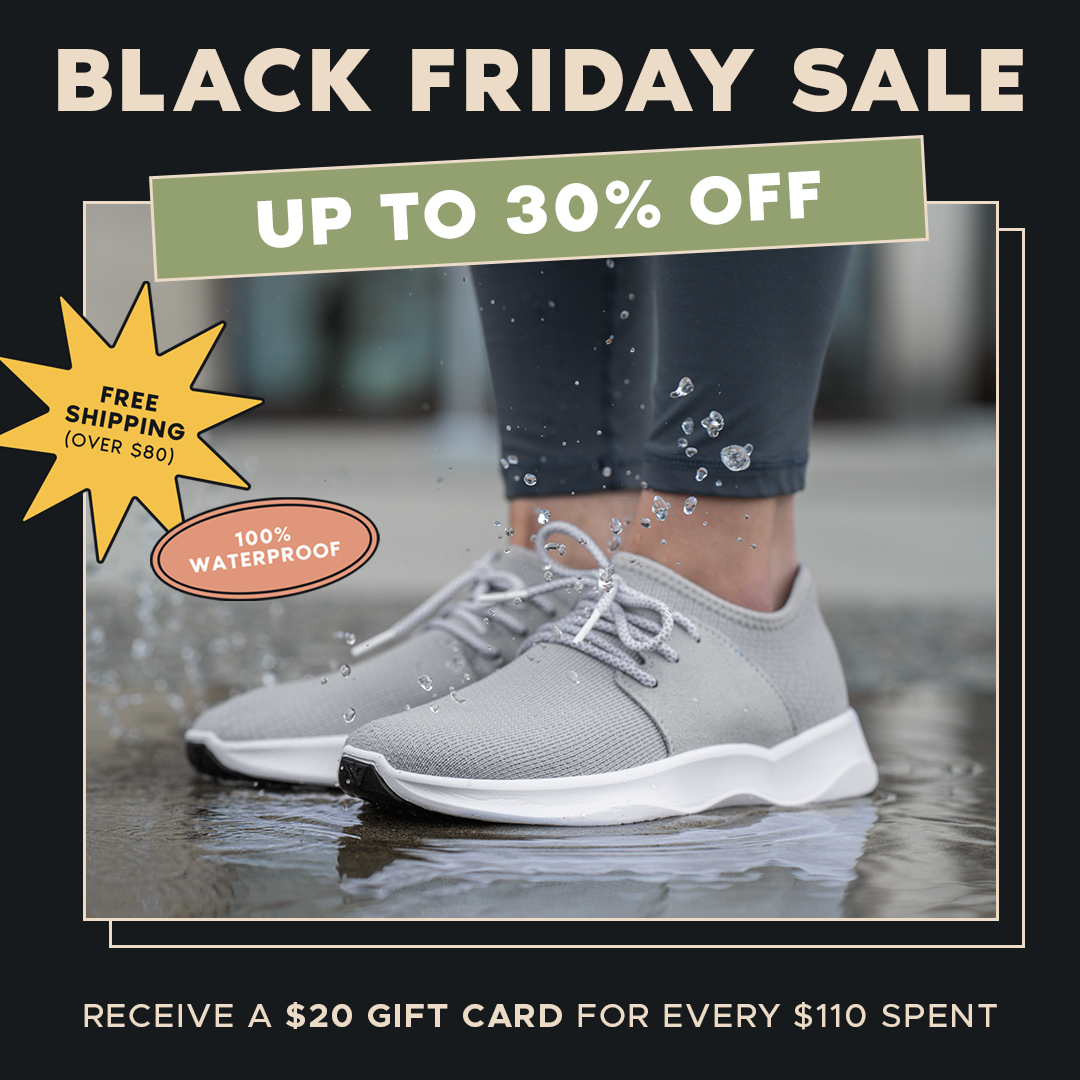
Can’t get more hard sell than that really.
With soft sells, the goal is to connect with the viewer by showing them you understand their lifestyle, values, and pain points. It’s not about an immediate sale but rather forming trust that you can trade for a sale (or referral) later.
A soft sell looks like this:
- No pushing for clicks
- No discount codes
- Highlighting your product’s benefit to the viewer (not the features)
- Solving a problem the viewer is experiencing
- Gently positioning your product in the context of something the viewer already finds valuable
- Tapping into the user’s identity
Let’s look at three examples: a B2B one curated by me and two B2C ads curated by Nice Ads.
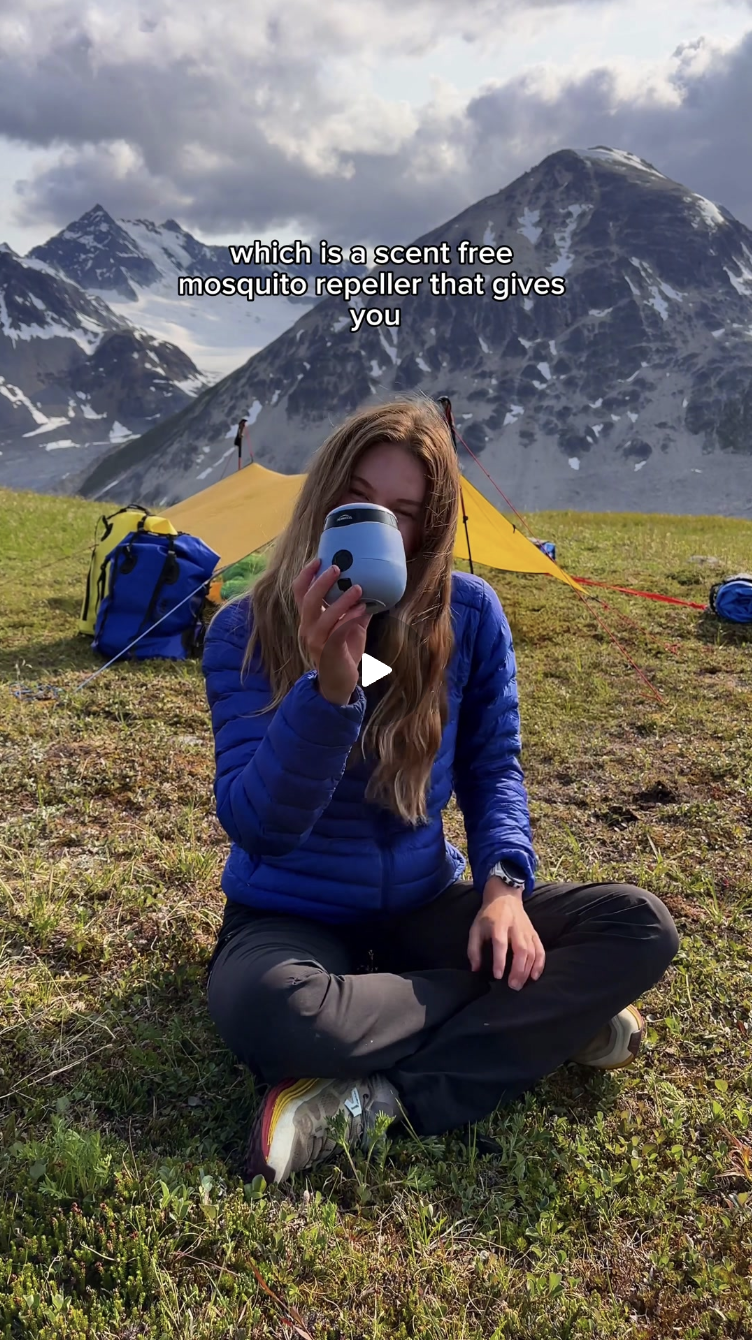
This first one is from Thermacell
What I love:
- Feels like an organic post. The creator walks through a solution to a familiar audience problem: mosquitos. This is the type of content most folks follow this creator for.
- The creator highlights the product's benefit (rather than a feature). We don’t care how the Thermacell works. But we care a lot about a fun evening outdoors without mosquitos.
- It’s a soft sell. There’s no link. No discount code. They’re earning trust and playing the long game (and hopefully increasing branded searches).
This second one’s from Jack Links:

What works?
- It’s goofy and entertaining.
- The entire video is raw. You can’t tell it’s an ad until the creator specifically highlights Jack Links halfway through. Even then, it’s about 2% of the video.
- This is the type of content people follow this creator for. Simple, but that’s what makes the ad engaging.
- Again, it’s a soft sell. The mention of Jack Links is concise and positions the product as a solution to this audience’s known problem. Hungry while out adventuring? Jack Links is for you.
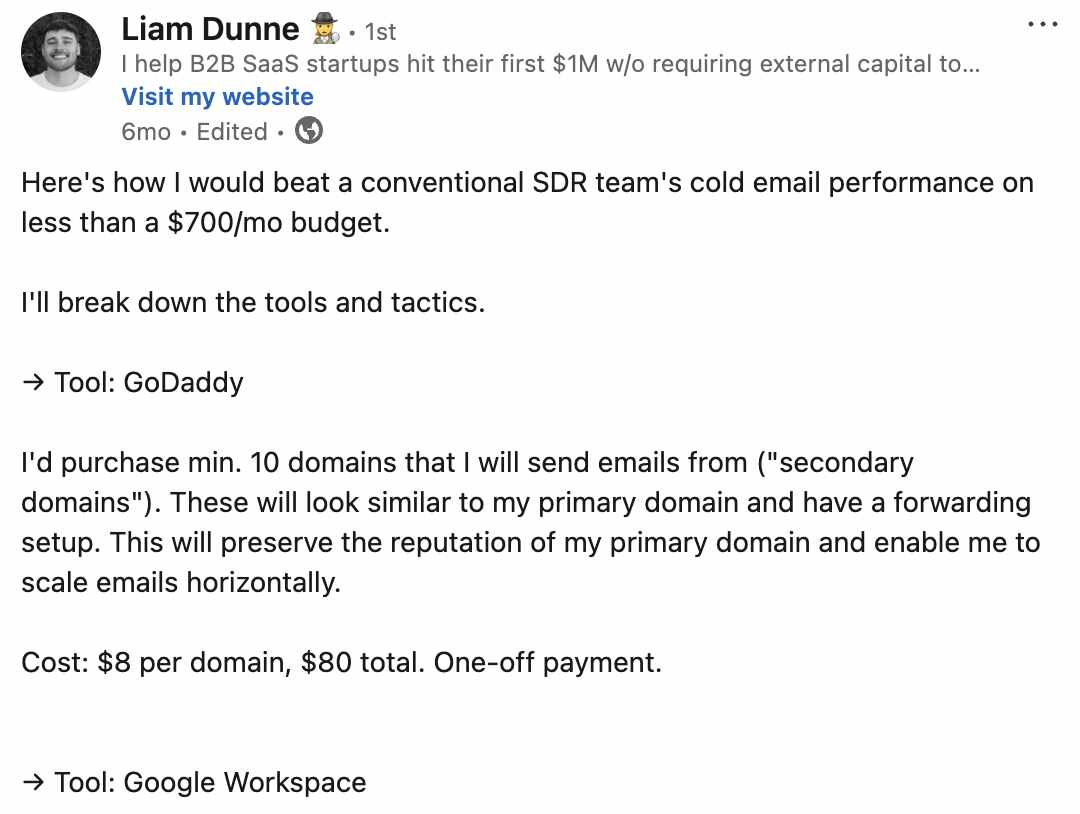
Last one, B2B this time, and an ad for Instantly
Check out the full post here, but here's the opening:
Why I like it:
- It's legitimately useful content for people trying to set up a modern cold outreach practice. It gives free value.
- It shows how Instantly fits into a workflow, removing the confusing guesswork for them.
- In no way does it feel like it's promoting Instantly. They aren't mentioned until tool #4, and there are 4 other tools mentioned.
This organic post is now being promoted by Instantly as an ad to drive leads to their product (using the Thought Leadership ad type on LinkedIn).
Often the best ads are great organic social posts.
Just so we're clear, we don’t hate hard sell ads. Far from it.
They’re valuable and have a place in most solid ad strategies.
The ideal playbook is a combination of hard and soft sell ads, for example:
- Hard-sell ads targeting folks who watched or engaged with soft sell ads.
- Soft-sell when using influencers (as they’ll be concerned about enraging their audience, and a more organic plug will likely perform better).
- Or even soft-sell organic content and promote it if it does well.
- Hard sell for retargeting campaigns.
Use both in your ad strategy to grow fast and far 🙂
Something fun
From Wes Kao. How many problems can you get away with on your climb?