
January is more than half over already??? Yowza.
We're over 100 issues now. Let's get crazy with this thing and start getting thematic. This issue is all about branding.
Despite starting out as "growth people," in the era of performance marketing, we've come to love brand marketing. Building a brand that people love and identify with makes everything easier. Acquiring customers. Hiring A+ talent. Raising money. Everything.
This week we talk about Ms. Norbury, warmth and competence, and luxury brands.
(Shout out to Grace for contributing this week's insights.)
Build loyalty with warmth and competence
Insight from Branding That Means Business.
A few months ago, we wrote about delighting customers to build loyalty. We used the example of how Apple products always seem to arrive before their estimated delivery date.
Zappos pioneered that type of “pleasant surprise” shipping. If you ordered a pair of shoes off Zappos, they would often arrive a day or two early.
But Zappos didn’t prove their thoughtfulness just through early shoe arrivals. They also trained their customer service reps to be as patient as possible—even if that meant talking to a customer for nine and a half hours, as one rep did!
Zappos nailed two essential human traits: warmth and competence.
- Warmth: We want to know that a person cares about us and means us no harm.
- Competence: We also want to know if they’re capable and skilled.
Those judgments may influence more than 80% of human social behavior.
And crucially, they apply to brands too.
Brands like Coca-Cola have high warmth and competence. They’re trustworthy, friendly, and good at what they do. They even invented the modern-day Santa Claus.
On the other hand, services like the US Postal Service are seen as warm but not so competent (sorry, USPS 🙊).
Brands that score low on both dimensions don't tend to last long.
Here’s what Princeton psych professor Susan Fiske and customer loyalty expert Chris Malone wrote in their book The Human Brand (emphasis added):
“Companies and brands were judged so strongly along the lines of warmth and competence dimensions that these judgments explained nearly 50 percent of all purchase intent, loyalty, and likelihood to recommend a brand or company. To put that 50 percent figure in perspective, consumer research is normally considered to be significant if it reveals a new variable explaining as little as 15 percent of customer behavior.”
Brainstorm ways to reveal your brand’s warmth and competence.
That doesn’t have to mean nine hours on the phone. Simple gestures—a comped product, a small act of service, or a hand-written thank-you note—can go a long way toward building lasting affinity.
Think of your brand as a character
Insight from Demand Curve and Marketing Brew. Image source: Iconic Fox.
Is your brand more of a Cady Heron or a Regina George?
Here at Demand Curve, we’re a Ms. Norbury type.

Why? We’re kind of nerdy—and super determined to help our students out. We’re pushers.
(If you haven’t seen Mean Girls, we’ll still be here in an hour and 37 minutes 👀)
What we're talking about is our brand persona.
Thinking of your brand as a character can help you personify it and give it a unique, consistent voice in your messaging.
Now, while it’s fun to think about who your brand would be if it were a movie or TV character, we tend to prefer two other approaches to brand persona.
These are more universal—and you want your persona to make everyone on your team say:
"Ah, yep, I get it. That’s who we are."
Brand as a superhero 🦸♀️
Are you a Bruce Wayne who builds tools to solve problems? Or a Hulk who gets raging mad when your audience has a problem that’s holding them back?
Brand as an archetype🕴️
This goes back to the work of Swiss psychologist Carl Jung. There are 12 archetypes you can apply to brand.
Think: Patagonia as the Explorer, Harley-Davison as the Outlaw, Disney as the Magician.

For luxury brands, competence matters more
Insight from Branding That Means Business.
That last tactic notwithstanding, there is a category where the warmth-competence dynamic isn’t as applicable: luxury.
Luxury brands don’t have to be warm to succeed. In fact, it might benefit them to be cold.
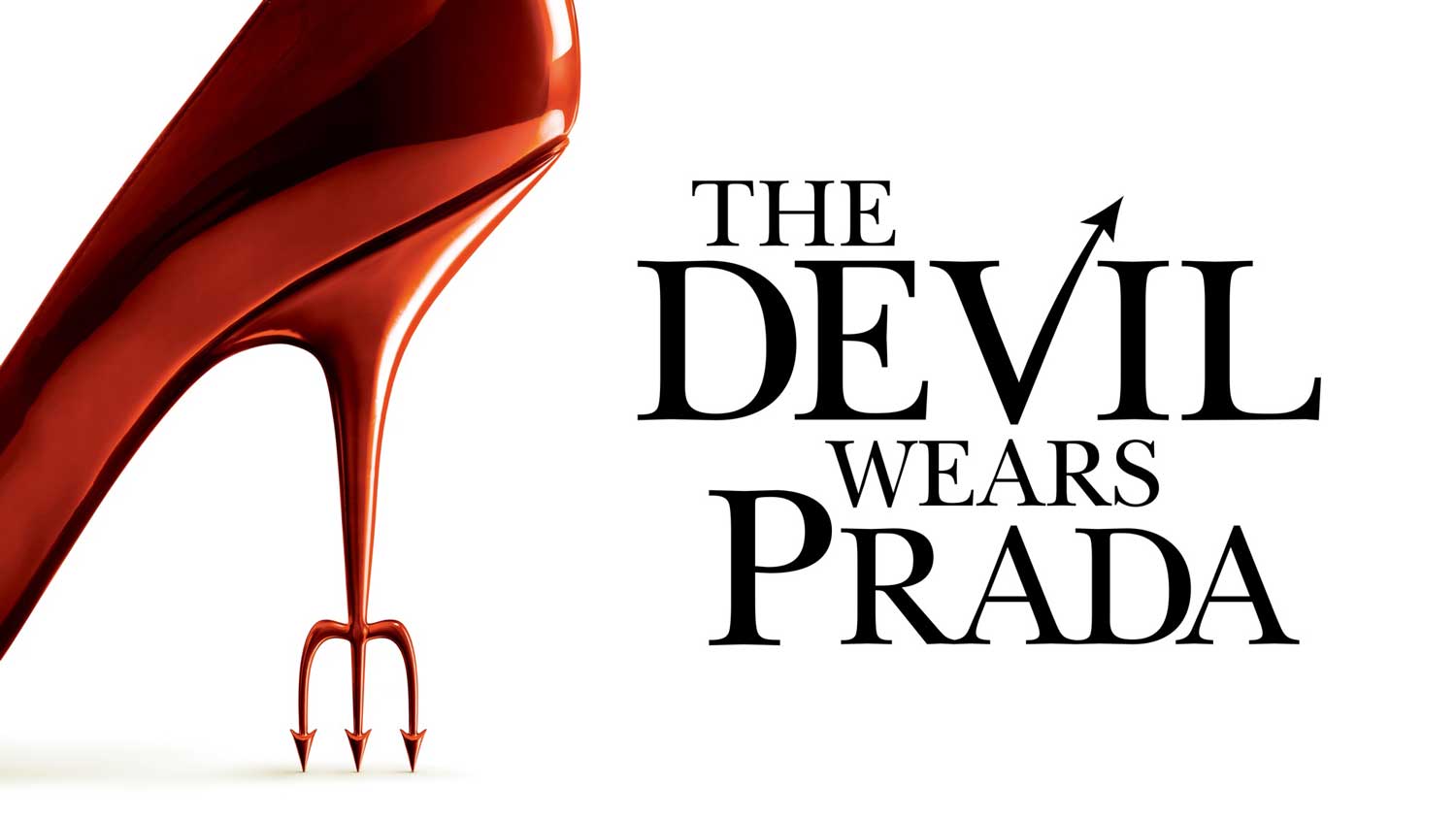
Let me introduce you to the greatest academic-study title of all time: “Should the Devil Sell Prada? Retail Rejection Increases Aspiring Consumers’ Desire for the Brand.”
What the authors uncovered was that when it comes to luxury, if a consumer is treated rudely by a salesperson, they want the product more.
Here’s how they put it:
“After threat, consumers have more positive attitudes and higher willingness to pay when…the rejection comes from an aspirational (vs. nonaspirational) brand.”
If you work in luxury, we don’t actually think you should be a jerk to your customers.
A general principle to live by: No a**holes.
But this is a reminder that perceived value directly influences willingness to pay. How much do customers believe your product to be worth?
And perceived value in turn has a lot of factors.
Exclusivity is one of them. So are brand perception, status signaling, and the social currency a company provides to the people who shop it.
Still only using Google Analytics?
Sponsored by Amplitude.
Google Analytics just doesn't cut it.
It was made to measure the ROI of campaigns within the Google ecosystem (ex: Google Ads). And to give Google an all-seeing eye across the Internet to make ads more profitable.
It was not built as a product analytics tool.
With the update to GA4, you get a bit of that. But many users shared that it's still lacking in funnel analysis, retention, and segmentation analysis.
So, what’s the solution?
Amplitude Analytics’s new campaign reporting feature helps you understand how acquisition investments drive product growth.
Amplitude Analytics enables product and marketing teams to view how acquisition sources impact product outcomes, attribute product success to campaigns, measure the ROI of digital campaigns and activate campaigns with better customer segmentation.
Amplitude is also the only digital analytics platform to combine acquisition campaign reporting with best-in-class product analytics.
It's also the analytics tools we use and love at Demand Curve.
Check out their demo environment here
News and links
News you can use:
2023 is already action-packed! Here are the news items that we thought were most notable this past week.
- With TikTok now partially or completely banned from government devices in over half of US states, parent company ByteDance seems to be negotiating pretty hard with DC lawmakers. Among the options on the table, in a bid to increase transparency: Have third-party monitors review the algo. Stay tuned—talks could have major consequences for TikTok marketers. (In other TikTok news, they’ve added a Talent Manager Portal to their Creator Marketplace, so managers can negotiate on clients’ behalf.)
- AI is the other area where everything everywhere is changing, seemingly all at once. Google shared a friendly reminder that they don’t love it when content is created primarily for search engine rankings—AI-generated content included. Google Cloud launched some new AI tools for product recommendations, personalized search, and more. And while ChatGPT continues to dominate the headlines—for Microsoft’s potential $10B investment and the possibility of a paid pro version, among other reasons—Google teased a forthcoming rival, called Sparrow.
- Related to both law and AI: A group of artists has sued AI image generators like Midjourney and DeviantArt, claiming they use copyrighted works to train their systems without consent or compensation. Something to pay attention to if you’re using AI art in your content.
Something fun