

A big thanks to our sponsors, who keep this newsletter free for all of you. Check them out—it's the best way to support this newsletter :)
Brought to you by Common Room. Marketing and growth teams at fast-growing startups and scaleups like Figma, Asana, Amplitude, Temporal and many others use Common Room to bring together social, community, product, and customer data into a single powerful platform so they can take informed action across the entire customer journey.
Check out some of their growth playbooks for tapping into the dark funnel—you know, that overlooked part of the buyer’s journey with heaps of potential. (Psst… they’re offering a 15% discount on paid plans to DC members who book a demo or sign up and connect a source).
And by Gelt. It's time to stop overpaying on taxes. With a proactive tax strategy in place you can be maximizing your wealth and minimizing your liability.
As a DC subscriber, fill out this form to gain priority on our waitlist and receive a tailor-made tax strategy, fast communication, an innovative tax management platform, and top-tier CPAs. It's time to find build a tax strategy tailored to your financial goals.
Side A: Shorter
Copy:
This newsletter is brought to you by Common Room.
Check out some of their growth playbooks for tapping into the dark funnel — you know, that overlooked part of the buyer’s journey with heaps of potential. (Psst… they’re also sending swag to DC members who book a demo or sign up and connect a source).
Side B: Longer
Copy:
This newsletter is brought to you by Common Room.
Marketing and growth teams at fast-growing startups and scaleups like Figma, Asana, Amplitude, Temporal and many others use Common Room to bring together social, community, product, and customer data into a single powerful platform so they can take informed action across the entire customer journey.
Check out some of their growth playbooks for tapping into the dark funnel — you know, that overlooked part of the buyer’s journey with heaps of potential. (Psst… they’re offering a 15% discount on paid plans to DC members who book a demo or sign up and connect a source).
Gelt
And by Gelt. It's time to stop overpaying on taxes. With a proactive tax strategy in place, you can maximize your wealth and minimize your liability.
As a DC subscriber, fill out this form to gain priority on our waitlist and receive a tailor-made tax strategy, fast communication, an innovative tax management platform, and top-tier CPAs. It's time to find and build a tax strategy tailored to your financial goals.
Grow by being the most active
Insight from Chenell Basilio and Dan Go.
Most people only use Twitter for a few minutes here and there per day, sometimes per week.
One way to ensure people see your tweets is just by tweeting A LOT.
If you haven't heard of Dan Go, he goes by "@FitFounder."
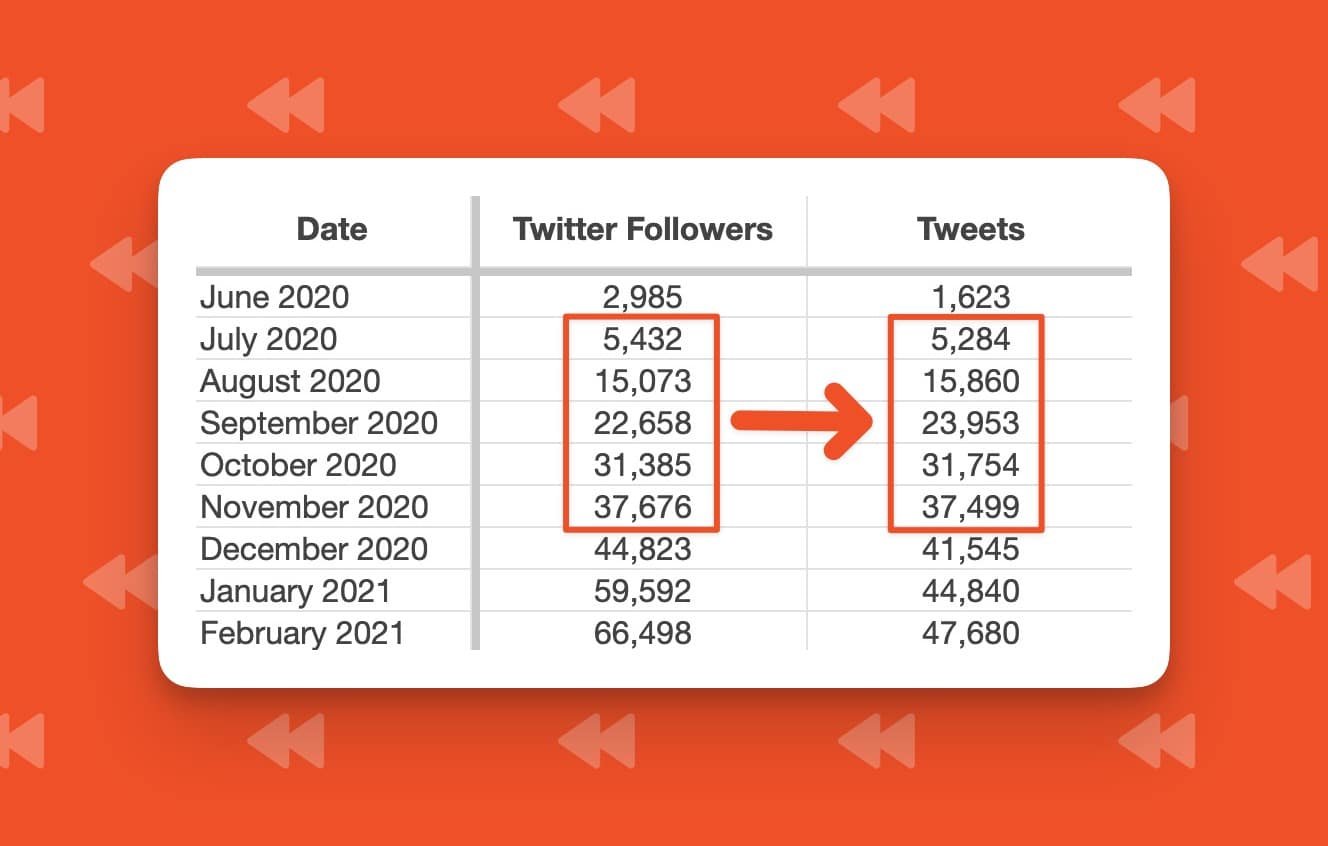
His first tweet was April 10th, 2020. More than 84k tweets later and he has 500k followers (as well as 200k on LinkedIn, 450k on Instagram, and 80k newsletter subscribers).
On average, that's ~74 tweets every day. But he peaked at ~350 tweets per day.
(Note: Twitter considers a comment/reply to be a tweet, not just original content.)
Chenell found that in the first several months, Dan's follower count was directly correlated to his total number of tweets:
Sure, not every tweet crushed.
But they didn't need to. Even if each one only got 100 impressions, that'd still add up to 35k impressions per day. And of course, many of them got way more than that.
Dan grew by outworking everyone else on Twitter.
It's honestly hard to find creators with more tweets than him. Sure there are accounts with a lot more, but they're mostly companies or automated.
Even Jack Dorsey (the founder and former CEO of Twitter), has a measly 29k, and he's been tweeting since day 0.
Dan is one of the most active Twitter users of the past 3 years.
Sometimes you can win just by being the most active.
7 ways to improve social ad performance
Insights from Social Savannah.
The most important factors in ad performance:
- Great brand/product.
- Kicka** creatives.
It has less to do with targeting and optimization (and let's be honest, AI does most of that these days), and more to do with an intriguing product and creative and captivating ads.
Here are 7 ways to improve your ad creatives:
#1. Show the outcome
Start your ad with the desired end result of using your product; then in the second frame, introduce the product. This will increase video watch time as people will want to know how to get the result.
#2. Close-up
Start your ad with a very close-up shot of the product.
Get people wondering... What is that? They'll stop because they want to figure it out.
#3. Lean into the Negativity Bias
Start the ad explaining why you are NEVER using the alternative to your product again.
It triggers an "Oh sh*t, am I doing it wrong?" and they'll want to know what they should be doing instead.
#4. Good lighting, good sound
The quality of the camera matters way less than a nice natural light source or a killer lighting setup.
Microphone quality and good music/sound effects are much more important than video quality.
#5. Leverage trends and seasons
People like it when content feels relevant and timely. If they're in the mindset of Christmas, or setting New Year's resolutions, or planning their Valentine's Day date, leverage that in your ads and content.
#6. Don't trigger "this is an ad"
Get creative to avoid setting off the alarm bells in people's heads that they're looking at an ad.
Make it look as natural as possible. Don't include music or pop-up captions for the first second or two—once they're hooked, you can bring them in.
Include a screenshare of someone texting a recommendation to their friend.
#7. Be different
You'll never stand out if you do the same thing that everyone else is doing. Be completely illogical.
Instead of focusing on your features, try including a photo of a cute bunny. It might just work.
The 6 tactics above may work today, but tomorrow they may not. The brands that win are the ones that can consistently come up with interesting and novel ideas.
A single ad campaign can be talked about for years. Think Budweiser's "wazzup" or Apple's "Think Different" or "Mac vs PC."
But that won't happen if you do what everyone else is doing.
Leverage herd mentality to influence behavior
Insight from Brooke Tully.
As a species, we crave belonging. That’s why we often look to others for cues on what to do when we’re in an unfamiliar situation. We follow the herd when it suits us.
This instinct to conform is what makes descriptive norms so powerful. They tell us how the majority of people act in that situation.
In one experiment, more hotel guests reused their towels after seeing a message with a descriptive norm (“75% of guests use their towels more than once”) than after seeing an environmental appeal (“Help save the environment by reusing your towels during your stay”).
Here's how to use descriptive norms in your emails, ads, landing pages, and so on:
- “Most clients reserve $1,500-2,000+ for their ad budget.” (ex: ads agency)
- “Over 2 million people have a 365+ day streak!” (ex: Duolingo)
- “63% of our customers bundle [product A] with [product B].” (ex: ecomm)
- “The majority of users complete this section in under 10 minutes.” (ex: onboarding)
Important: Descriptive norms work best when they show large numbers of people doing the behavior you want them to do. Descriptive norms backfire if you highlight the behavior you don't want them to do. Consider this sign about towel use:
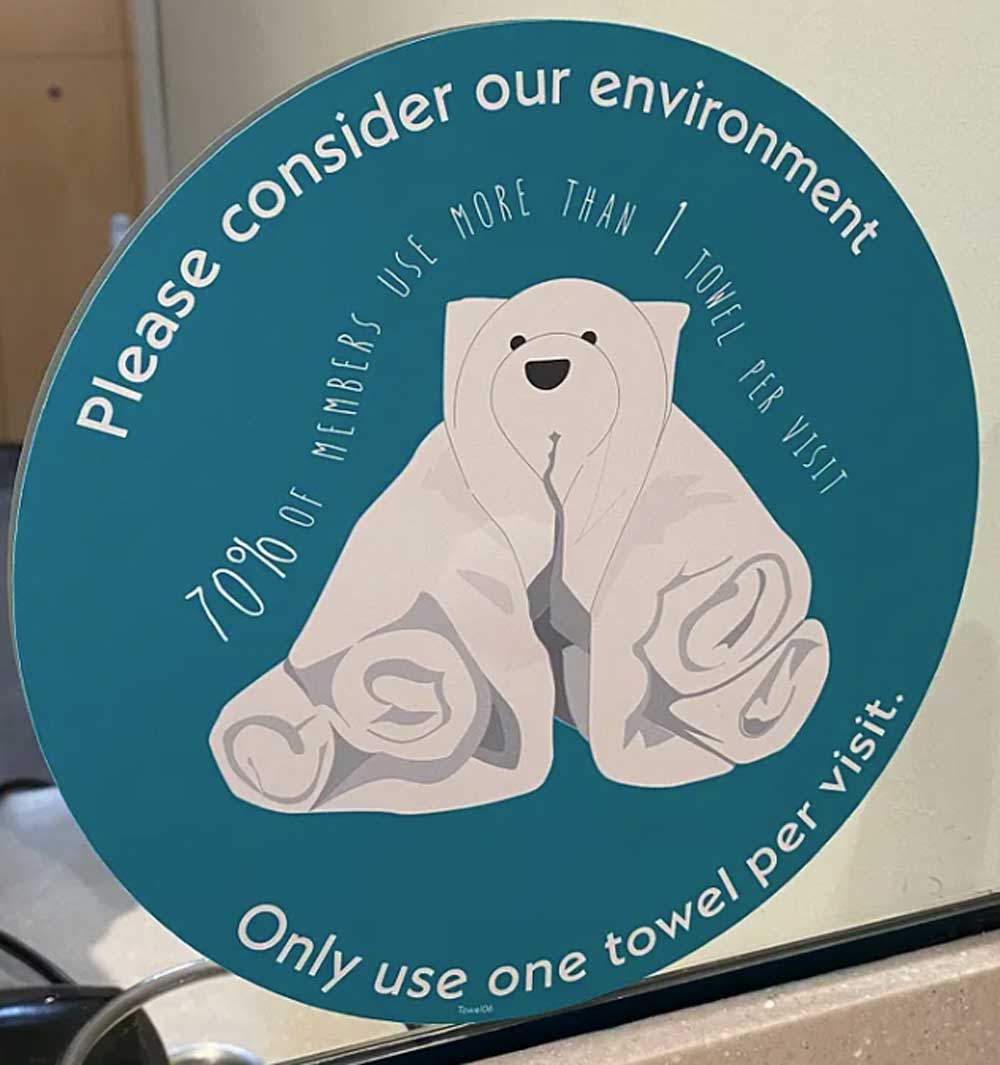
Why it fails: It's telling you that the norm is to use multiple towels. Why would you defy the norm and only use one? It may seem unfair or that you're getting less by only using one.
But what if only a minority of people are doing the behavior you want?
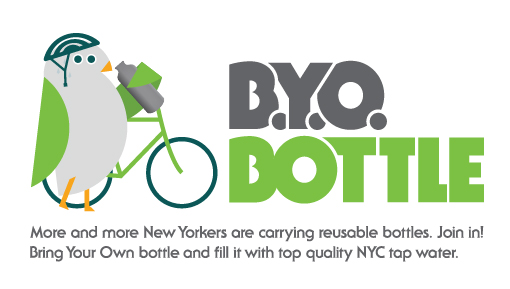
Try using dynamic norms instead. These describe how a growing number of people are doing the behavior you want to increase. For an example, take a look at New York City’s GreeNYC campaign ("more and more New Yorkers"):
News and links
News you can use:
- New in AI: Google’s AI-powered search fails to impress with its slow and cluttered responses. Bing Chat now supports 30 chat turns in a single conversation (up from 20). And though it’s currently available only on Microsoft Edge (the successor to Internet Explorer), Microsoft plans to bring Bing Chat to all browsers in the near future.
- It’s never quiet over at Twitter. Two execs from the company’s brand safety team left after a dispute about content policing. And new CEO Linda Yaccarino has officially taken the helm, a surprising two weeks earlier than expected.
- Looks like TikTok is a fan of Christmas in July. The platform published its holiday marketing playbook way ahead of Q4. Maybe this is because, as it says, 38% of shoppers are likely to start shopping early.
Tool we recommend: Segment*
Being a founder is hard.
Finding product-market fit is one of the toughest challenges, and constantly has you asking questions like:
- Are people using my product?
- How are they using it?
- Are they returning to get value week over week?
When first starting out, the Segment co-founders didn't understand how important these questions were or how to use analytics to answer them.
So they spent 1.5 years and 7 different MVPs in their pursuit of product-market-fit before finding the secret sauce—they solved their own problem and turned it into a product.
Segment helps you collect, clean, and act on your customer data. And it handles the annoying task of integrating with different tools. So your team can focus on product, not integrations.
And Segment is now free for Startups! Apply to their Startup Program →
*Sponsored by Segment
Something fun
From @NealOGrady